 English

 New Born
 Moms
Moms
 Fashion
 Games
Games
 Vehicles Toys
 Activity Toys
 Wooden Toys
 Dolls
Dolls
 Learning & Education Toys
 Guns
Guns
 Construction

Top Benefits of Wooden Toys for Creative Learning
Share




Top Benefits of Wooden Toys for Creative Learning
Wooden Toys
Author
 Employee
Posted
Jun 28, 2026 00:00 AMIntroduction
In an age where electronic gadgets and digital games dominate children's entertainment, wooden toys continue to stand the test of time. Their simple designs, natural materials, and educational value make them a favorite choice for parents, educators, and caregivers who want to encourage meaningful play. Unlike battery-powered toys that often entertain for only a short period, wooden toys inspire children to use their imagination, creativity, and problem-solving skills while exploring the world around them.
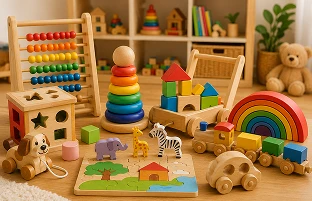
Wooden toys are more than just attractive playthings. They help children develop fine motor skills, hand-eye coordination, concentration, and independent thinking through open-ended play. From wooden building blocks and puzzles to stacking rings, shape sorters, and pretend play sets, these timeless toys provide endless learning opportunities while supporting healthy development.
If you're looking for toys that combine fun, education, and sustainability, wooden toys are an excellent investment. This guide explores the many benefits of wooden toys for creative learning and explains why they remain one of the best choices for growing children.
Why Wooden Toys Are Still Popular
Wooden toys have been enjoyed by children for generations because they are durable, safe, and encourage imaginative play. Their classic appearance and sturdy construction make them suitable for years of use, often becoming treasured family keepsakes that can be passed down to younger siblings or future generations.
Unlike many plastic toys with flashing lights and sounds, wooden toys encourage children to actively participate in play by creating their own stories, games, and adventures. This type of open-ended play stimulates creativity and keeps children engaged for longer periods.
Encourages Creativity and Imaginative Play
One of the greatest advantages of wooden toys is their ability to inspire creativity.
Simple toys allow children to use their imagination instead of relying on pre-programmed sounds or electronic features. Wooden blocks can become castles, bridges, towers, roads, or entire cities. Toy trains can travel through imaginary landscapes, while wooden kitchen sets encourage role-playing as chefs, shopkeepers, or restaurant owners.
Creative play helps children:
- Develop storytelling skills
- Improve imagination
- Build confidence
- Learn independent thinking
- Express emotions through play
The fewer limitations a toy has, the more opportunities children have to invent new ways to play.
Supports Cognitive Development
Wooden toys naturally encourage children to think, explore, and solve problems.
Puzzles, stacking toys, balancing games, and construction sets require children to observe, compare, organize, and experiment before reaching a solution. These activities strengthen important cognitive skills while making learning enjoyable.
Wooden educational toys help children develop:
- Logical thinking
- Memory
- Pattern recognition
- Spatial awareness
- Critical thinking
- Early mathematical concepts
Children learn through trial and error, which builds resilience and confidence.
Improves Fine Motor Skills
Many wooden toys involve grasping, stacking, sorting, twisting, or connecting pieces. These actions strengthen the small muscles in children's hands and fingers while improving hand-eye coordination.
Examples include:
- Wooden stacking blocks
- Shape sorters
- Lacing toys
- Peg boards
- Building blocks
- Wooden puzzles
Strong fine motor skills prepare children for writing, drawing, cutting with scissors, and other everyday activities.
Promotes Focus and Patience
Unlike electronic toys that provide instant entertainment, wooden toys encourage children to slow down and concentrate on completing a task.
Whether building a tall tower, solving a puzzle, or assembling a train track, children learn the importance of patience, persistence, and careful observation. These experiences improve attention span and help children stay engaged for longer periods without constant stimulation.
Safe, Durable, and Environmentally Friendly
Parents appreciate wooden toys because they are built to last. High-quality wooden toys can withstand years of active play while maintaining their appearance and functionality.
Many wooden toys are made from sustainably sourced wood and finished with child-safe, non-toxic paints, making them a safer choice for young children and a more environmentally responsible option than many plastic alternatives.
Benefits include:
- Long-lasting durability
- Eco-friendly materials
- Reduced plastic waste
- Smooth, sturdy construction
- Non-toxic finishes
- Easy maintenance
Choosing wooden toys supports both your child's development and a healthier planet.
Encourages Social and Emotional Development
Wooden toys often inspire cooperative play between siblings, friends, and parents.
Pretend play sets such as wooden kitchens, dollhouses, train stations, or marketplaces encourage children to communicate, share ideas, solve problems together, and develop empathy through role-playing.
These experiences help children build:
- Communication skills
- Teamwork
- Sharing habits
- Emotional understanding
- Self-confidence
- Positive social interactions
Collaborative play also strengthens family relationships and encourages meaningful conversations.
Choosing the Right Wooden Toys by Age
Selecting age-appropriate toys ensures children enjoy safe and rewarding play experiences.
Ages 1–3 Years
Recommended toys include:
- Wooden rattles
- Stacking rings
- Shape sorters
- Pull-along animals
- Large building blocks
Ages 3–5 Years
Ideal choices include:
- Wooden puzzles
- Construction blocks
- Toy vehicles
- Play kitchens
- Dollhouses
Ages 5 Years and Above
Older children enjoy:
- Advanced building sets
- Wooden engineering kits
- Marble runs
- Strategy board games
- Creative construction toys
Choosing toys that match a child's developmental stage helps maximize learning and enjoyment.
Tips for Buying Quality Wooden Toys
When purchasing wooden toys, consider the following:
- Choose toys made from sustainably sourced wood.
- Look for non-toxic, child-safe paints and finishes.
- Ensure smooth edges without sharp corners.
- Select toys appropriate for your child's age.
- Prioritize sturdy construction for long-lasting use.
- Purchase from trusted brands known for quality and safety.
These factors ensure your child enjoys safe, durable, and educational play.
Frequently Asked Questions
Are wooden toys better than plastic toys?
Wooden toys are often more durable, environmentally friendly, and better suited for open-ended creative play. They encourage imagination rather than relying on electronic features.
Are wooden toys safe for toddlers?
Yes. High-quality wooden toys made with non-toxic finishes and smooth edges are safe for toddlers when they are age appropriate.
What skills do wooden toys develop?
Wooden toys help improve creativity, fine motor skills, hand-eye coordination, problem-solving, concentration, communication, and cognitive development.
Why do educators recommend wooden toys?
Teachers and child development experts value wooden toys because they encourage independent thinking, exploration, and hands-on learning through meaningful play experiences.
Conclusion
Wooden toys remain one of the most valuable investments parents can make in their child's development. Their timeless design, durability, educational benefits, and environmentally friendly materials make them an excellent choice for encouraging creativity, imagination, and lifelong learning.
From simple stacking blocks to complex construction sets, wooden toys provide children with endless opportunities to explore, solve problems, and develop essential life skills through play. By choosing high-quality wooden toys, parents create an engaging learning environment where children can grow with confidence, curiosity, and creativity while enjoying countless hours of meaningful fun.
Share