 English

 New Born
 Moms
Moms
 Fashion
 Games
Games
 Vehicles Toys
 Activity Toys
 Wooden Toys
 Dolls
Dolls
 Learning & Education Toys
 Guns
Guns
 Construction

Best Games for Kids: Fun, Learning, and Family Entertainment Guide
Share




Best Games for Kids: Fun, Learning, and Family Entertainment Guide
Games
Author
 Employee
Posted
Jun 28, 2026 00:00 AMIntroduction
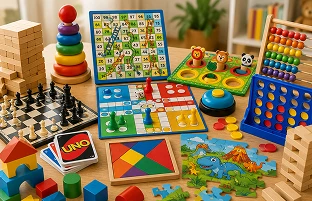
Games have always been an essential part of childhood, offering children a perfect combination of fun, learning, and social interaction. From classic board games and card games to educational puzzles and interactive family games, today's kids have access to countless exciting options that encourage creativity, logical thinking, and teamwork.
Unlike passive entertainment, games actively engage children in problem-solving, communication, and decision-making. Whether children are playing with friends, siblings, or parents, every game becomes an opportunity to build confidence, improve concentration, and create lasting family memories.
In this guide, we'll explore the benefits of kids' games, different game categories, tips for choosing the right games, and why quality games continue to be one of the best investments for growing children.
Why Games Are Important for Child Development
Games provide much more than entertainment. Every activity challenges children to think, observe, communicate, and cooperate while having fun.
Many educational games improve memory, attention span, and logical reasoning. Puzzle games encourage patience and problem-solving, while board games teach strategy and decision-making. Interactive games also help children understand rules, take turns, and respect healthy competition.
Parents appreciate games because they reduce screen time while promoting meaningful family interaction and shared experiences.
Benefits of Playing Games
Improves Critical Thinking
Games encourage children to analyze situations, solve problems, and make smart decisions. Every challenge helps develop stronger thinking skills.
Encourages Teamwork
Multiplayer games teach children how to cooperate, communicate, and work together toward common goals.
Develops Social Skills
Playing with friends and family improves conversation, listening, sharing, and emotional understanding.
Builds Confidence
Winning challenges and learning from mistakes help children become more confident and resilient.
Supports Learning Through Play
Educational games introduce numbers, letters, shapes, colors, vocabulary, and logical thinking in a fun and engaging way.
Popular Types of Kids Games
Board Games
Classic board games improve strategic thinking while encouraging family bonding and friendly competition.
Educational Games
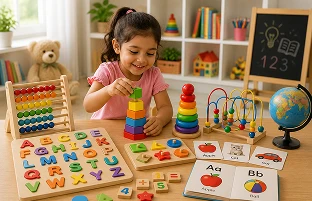
Learning games combine entertainment with early education, helping children develop reading, mathematics, memory, and language skills.
Card Games
Simple card games improve observation, concentration, and quick decision-making while remaining enjoyable for every age group.
Puzzle Games
Puzzles strengthen logical thinking, spatial awareness, and patience while providing satisfying challenges.
Interactive Family Games
These games encourage everyone to participate together, creating laughter, communication, and unforgettable family moments.
How to Choose the Best Games for Kids
When selecting games, parents should consider:
- Choose age-appropriate games.
- Look for durable, child-safe materials.
- Select games that encourage creativity and learning.
- Prefer games that multiple family members can enjoy together.
- Pick games with simple instructions and engaging activities.
- Balance educational value with entertainment.
Quality games should challenge children without causing frustration while encouraging independent thinking and teamwork.
Tips for Making Game Time More Enjoyable
Create a regular family game night where everyone participates together. Encourage children to follow rules, celebrate good sportsmanship, and appreciate both winning and learning experiences.
Rotate different game types to keep children interested while introducing new skills and challenges. Educational games, puzzles, and cooperative activities can all become part of a balanced play routine.
Limiting screen time and replacing it with interactive games also supports healthier childhood habits and stronger family relationships.
Why Parents Choose Quality Games
Parents value games because they combine learning with entertainment. Instead of passive activities, children remain mentally active while building communication, creativity, and confidence.
Well-designed games also encourage independent thinking, teamwork, and problem-solving—skills that support children throughout school and everyday life.
Whether used during holidays, weekends, birthdays, or family gatherings, games provide meaningful entertainment that children enjoy again and again.
Conclusion
Games remain one of the most rewarding toys for children because they inspire learning, creativity, teamwork, and family bonding. From educational puzzles and board games to interactive family challenges, every game helps children develop valuable life skills while having fun.
Choosing high-quality games ensures children enjoy safe, engaging, and educational experiences that encourage imagination, confidence, and healthy social interaction. The right game doesn't simply entertain—it creates opportunities for learning, growth, and unforgettable family moments.
Share