 English

 New Born
 Moms
 Fashion
 Games
 Vehicles Toys
 Activity Toys
 Activity Toys
 Wooden Toys
 Dolls
 Learning & Education Toys
 Guns

Choosing Games for Children of Different Ages
Share




Choosing Games for Children of Different Ages
Games
Author
 Carz N Dollz
Posted
Oct 16, 2026 00:00 AMChoosing Games for Children of Different Ages
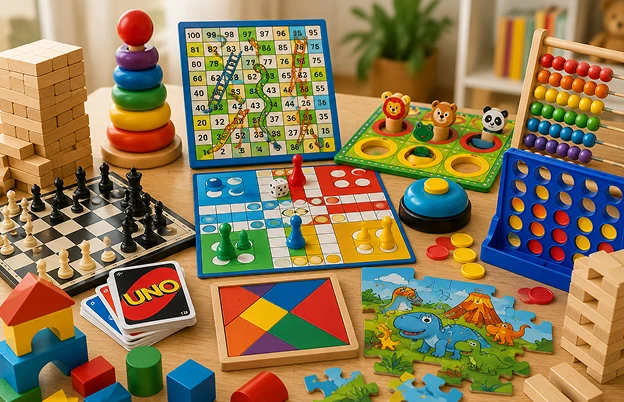
Choosing the right games for children can make playtime more enjoyable, engaging, and meaningful. With so many children's games available, it can be difficult to decide which options are suitable for your child's age, interests, and abilities. The best approach is to consider your child's developmental stage, preferred activities, and opportunities for learning while having fun.
Why Choosing Age-Appropriate Games Matters
Children develop different skills as they grow, and their play preferences change along the way. Younger children often enjoy simple games with colourful designs, familiar objects, and easy-to-understand activities. Older children may prefer games that involve strategy, problem-solving, creativity, and friendly competition.
Choosing age-appropriate games helps children enjoy activities that match their abilities while encouraging them to explore new challenges. It can also make playtime more rewarding by balancing entertainment with opportunities to learn and develop new skills.
Games for Toddlers and Preschoolers
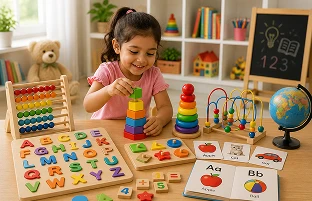
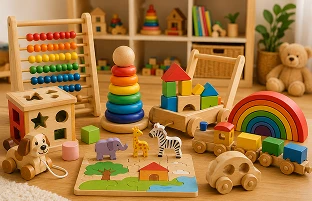
Toddlers and preschoolers benefit from simple games that encourage exploration, movement, and hands-on interaction. Matching games, stacking activities, shape-sorting games, and basic puzzles can introduce children to colours, shapes, patterns, and object recognition.
Look for games with easy-to-handle pieces, simple instructions, and age-appropriate designs. Adult supervision is important, particularly when games contain small parts that may present a choking hazard.
Games for Developing Creativity and Imagination
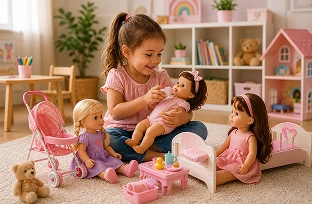
Creative games give children opportunities to express their ideas and explore different possibilities. Pretend-play activities, imaginative play sets, and games that encourage storytelling can help children create their own scenarios and experiment with different roles.
These activities can also encourage communication, independent thinking, and imaginative expression. Whether children are playing alone or with friends, creative games can make everyday playtime more engaging and enjoyable.
Games for Building Problem-Solving Skills
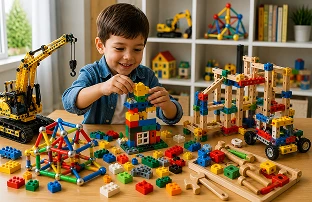
As children grow, games that involve planning, matching, logical thinking, and completing challenges can become more appealing. Puzzles, building games, memory games, and age-appropriate strategy games encourage children to think carefully and explore different ways to solve problems.
These activities can help children practise patience, concentration, and decision-making. Instead of focusing only on winning, encourage children to enjoy the process of trying different approaches and learning from mistakes.
Games for Social Interaction and Family Fun
Playing games with family members and friends can create enjoyable shared experiences. Board games, group activities, card games, and simple interactive challenges can encourage children to communicate, take turns, follow instructions, and cooperate with others.
Family game time can also provide opportunities for parents to connect with their children away from everyday routines. Choose activities that everyone can understand and enjoy, adjusting the difficulty according to the ages and abilities of the players.
Check Safety and Game Quality Before Buying
When choosing children's games, consider more than just the appearance or packaging. Check the manufacturer's recommended age range, instructions, materials, and safety information before making a purchase.
For younger children, avoid games with small detachable pieces that could cause choking. Look for durable materials, easy-to-understand instructions, and designs appropriate for the intended age group.
Share