 English

 RideOn
 Action Figures
 Sports
 Outdoor Toys
 Construction
 Guns
Guns
 Learning & Education Toys
 Dolls
Dolls
 Wooden Toys
 Activity Toys
 Vehicles Toys

Indoor vs Outdoor Toys
Share




Indoor vs Outdoor Toys
Outdoor Toys
Author
 Admin
Admin
Posted
Mar 13, 2026 00:00 AMIntroduction
When it comes to choosing the right toys for kids, parents often face a common question: Indoor toys or outdoor toys – which is better? The truth is, both types of toys play an important role in a child’s overall development. While indoor toys focus more on creativity and mental skills, outdoor toys promote physical activity and social interaction. Understanding the difference between them can help you create a balanced play environment for children.
What Are Indoor Toys?
Indoor toys are designed for use inside the home or in controlled environments. These toys are usually safe, compact, and focus on learning, creativity, and concentration.
Examples of indoor toys:
- Puzzles and board games
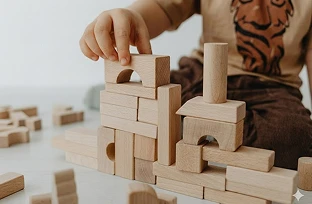
- Building blocks and construction sets
- Art and craft kits
- Educational toys
Indoor play helps children develop focus, patience, and problem-solving skills. It also allows safe and easy supervision by parents.
What Are Outdoor Toys?
Outdoor toys are meant for use in open spaces like parks, gardens, or playgrounds. These toys encourage physical movement and active play.
Examples of outdoor toys:
- Bicycles and scooters
- Swings and slides
- Sports equipment
- Ride-on vehicles
Outdoor play is often unstructured and open-ended, allowing children to explore freely and use their imagination.
Benefits of Indoor Toys
1. Improves Cognitive Skills
Indoor toys like puzzles and games help children think critically and solve problems. They enhance memory, concentration, and logical reasoning.
2. Encourages Creativity
Activities like drawing, building, and role-play allow kids to use their imagination and express ideas.
3. Safe and Controlled Environment
Indoor toys are ideal during extreme weather conditions. Parents can easily monitor children, ensuring safety.
4. Supports Independent Play
Children can play alone with indoor toys, which builds confidence and self-learning abilities.
Benefits of Outdoor Toys
1. Boosts Physical Health
Outdoor toys encourage running, jumping, and climbing, which improves strength, balance, and coordination.
2. Enhances Social Skills
Outdoor play often involves group activities, helping children learn teamwork, sharing, and communication.
3. Improves Mental Well-being
Spending time outdoors reduces stress and improves mood by connecting children with nature.
4. Develops Independence
Outdoor environments are less structured, allowing kids to make decisions and explore freely, boosting confidence.
Key Differences Between Indoor and Outdoor Toys
| Feature | Indoor Toys | Outdoor Toys |
| Environment | Inside home | Open spaces |
| Focus | Mental development | Physical development |
| Activity Level | Low to moderate | High |
| Supervision | Easy | Requires more attention |
| Skills Developed | Creativity, focus, problem-solving | Strength, coordination, social skills |
Which Is Better for Kids?
There is no clear winner when comparing indoor vs outdoor toys. Both offer unique benefits and contribute to a child’s growth in different ways. Experts suggest that a balanced mix of indoor and outdoor play is the best approach for healthy development.
Indoor toys help children learn and think, while outdoor toys help them stay active and social. Combining both ensures overall physical, emotional, and intellectual growth.
Conclusion
Indoor and outdoor toys are equally important in shaping a child’s development. While indoor toys nurture creativity and learning in a safe environment, outdoor toys promote physical fitness and real-world interaction. Instead of choosing one over the other, parents should aim to provide a balanced play routine.
By integrating both indoor and outdoor activities into daily life, children can enjoy the best of both worlds—learning, exploring, and growing into well-rounded individuals.
Share